15 April 2026 · MS
$12.99 a month, every month, for something you forgot you signed up for. How did we get here?
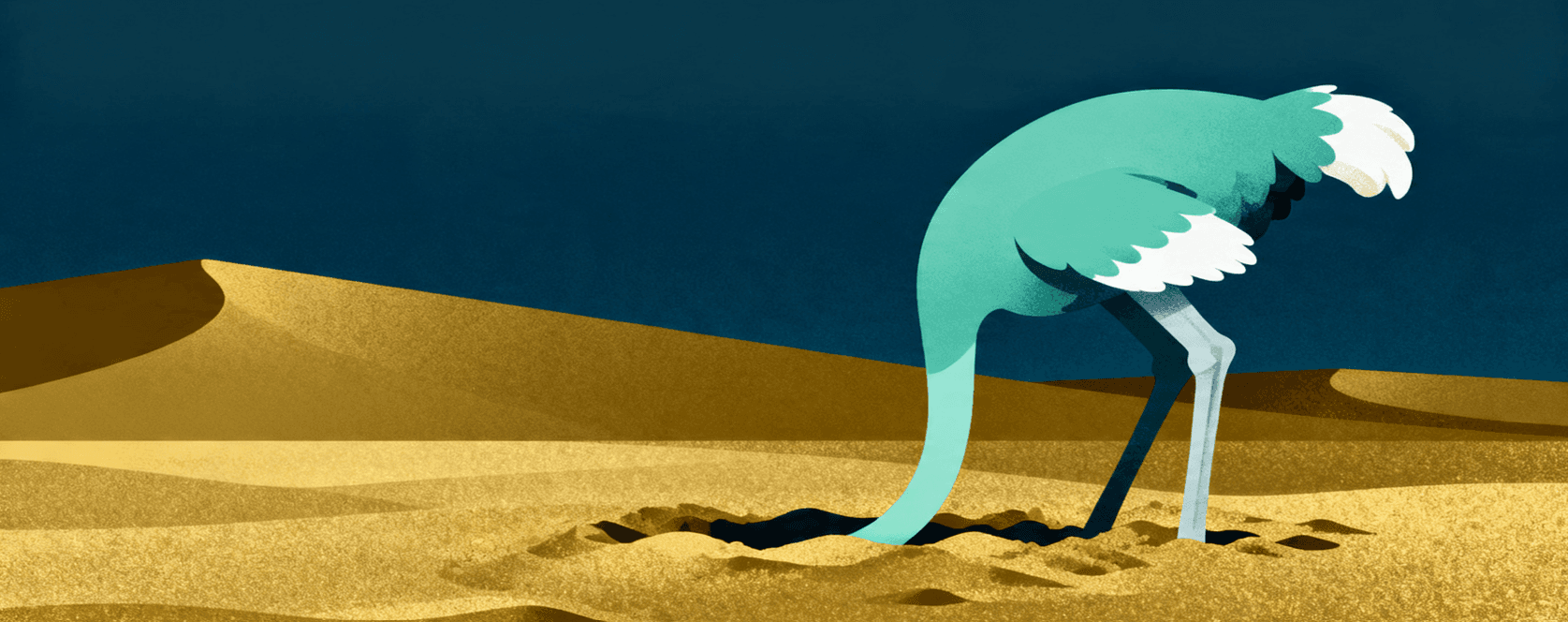
Somewhere in your bank statement — between the grocery run and that Lotto ticket — there's a $12.99 charge you don't recognise. You've seen it before, about three months ago when you last checked your bank statement.
Here's what happened. At some point — probably during a particularly ambitious Tuesday evening — you signed up for a free trial that was going to change your life. The version of yourself that spends 15 minutes every day writing in a journal. Or learning a new skill. Or tracking those calories.
But suddenly it was three weeks later and you'd forgotten you signed up, missed the trial conversion email buried between a shipping notification and a newsletter you also forgot you subscribed to, and the charge started. You are still meaning to figure out what that was for again.
And it's not just the one. It's the streaming service you're keeping because there's a show you're definitely going to finish. The productivity app you downloaded during a planning phase that lasted approximately forty minutes. The meditation app — which, ironically, is now a source of stress. The sixth (or seventh) streaming service.
Things got away from you. Because signing up is easy and keeping track is hard, and the whole system is designed that way on purpose.
How does this happen?
It's tempting to chalk this up to carelessness. But it's not — it's design. Three specific mechanisms are working against you, and once you see them, you'll spot them everywhere.
1. Friction asymmetry
Signing up for a free trial: one click, maybe two. An email address and you're in.
Cancelling that trial: find the app. Find the settings. Find the subscription section. Read the "are you sure?" screen. Read the "but what about these benefits you'll lose?" screen. Click confirm. Get the "we're sorry to see you go" email. Wonder if it actually cancelled.
The path in is a waterslide. The path out is a hiking trail. Cass Sunstein at Harvard calls this sludge — deliberate friction added to discourage a behaviour that doesn't benefit the company. It's the opposite of a nudge. And subscription cancellation flows are some of the most elegantly designed sludge in consumer software.
2. The sunk cost effect
You know you're not using that app anymore. So why haven't you cancelled? It's $12.99. That's not going to change your life either way.
Arkes and Blumer demonstrated this in 1985: people who've paid for something continue investing in it even when it no longer makes sense, because stopping feels like confirming the earlier money was wasted. They called it the sunk cost effect, and four decades later it's still running your subscription list.
Cancelling feels like admitting those months were wasted. Keeping the subscription alive preserves the fiction that you might go back to it. That you might still become the person who journals every morning.
The $12.99 isn't paying for a service anymore. It's paying for the option of a future version of yourself. That's a surprisingly expensive fantasy.
3. The ostrich effect
Here's the subtlest one. You suspect your bank statement contains charges you'd rather not confront. So you don't check.
Galai and Sade coined the term in 2006, studying investors who avoided looking at their portfolios when markets dropped. Karlsson, Loewenstein, and Seppi later found the same pattern across all kinds of financial information: when people expect bad news, they simply stop looking.
Sound familiar? You haven't checked your subscriptions because you already know, on some level, that the answer is going to be uncomfortable. Not devastating — just annoying enough to avoid. So the statement stays unchecked, the charges continue, and the vague unease hums along in the background.
Ostriches don't actually bury their heads in the sand, by the way. But we absolutely do.
What actually works
If any of this sounds familiar — and statistically, it does — here are three things that genuinely help.
Check your bank statement for recurring amounts, not names. You might not recognise "ANTHROPIC" or "PADDLE.NET," but you'll notice $12.99 appearing every month. Same amount, same date, recurring pattern. That's a subscription. Work backwards from the amount and date to figure out what it is.
Search your email for the word "trial." Right now. Go to your email, search "trial," sort by date. You will find things. Some of them will make you say words.
Set a calendar reminder for "subscription audit" once every three months. Not because you'll do a thorough audit — you won't. But because the reminder alone jogs your awareness, and awareness is genuinely half the battle. Most subscription waste isn't about money. It's about visibility. You can't manage what you can't see.
_____________________________________________________
This is also, incidentally, why we built Xenon — because things got away, and seeing them clearly felt like it mattered.